Views: 194
If you’re in your 20s or 30s, you might feel like you’re caught in some wild hormonal mash-up: riding waves of premenstrual chaos that could give your teenage self a run for her money, while simultaneously Googling “perimenopause symptoms” under your office fluorescents as you peel off a layer (or three).
You’re tired, maybe bloated, and your skin has decided to go rogue. Your period? Less of a polite monthly guest and more something you’d read about on the “Am I The A-Hole” subreddit. But sure, it’s just “part of being a woman,” right?
Wrong.
Sarah Kimber, Registered holistic Nutritionist and health coach who works with Happy Mammoth—a company dedicated to supporting women’s hormone and gut health—has heard this story countless times.
“I’ve worked with hundreds of women—many exhausted, overwhelmed, bloated, struggling with irregular or painful periods, or all of the above—and one thing I hear over and over is: ‘I thought it was just part of being a woman,’ or ‘It’s really common.’”
She’s here to set the record straight: “Common doesn’t always mean normal.”
Let’s face it, our hormones aren’t just textbook biology; they’re daily life, influencing our moods, energy, skin, and more (plus all the other fun stuff we’ve been too polite to talk about).
But with so much information flooding in, it’s easy to feel overwhelmed, overstimulated, and frankly exhausted by the realities of modern womanhood.
Curious to learn more about what hormone health really means—and how to make sense of it? Keep reading as we dive deeper with Sarah. Spoiler alert: it’s more interconnected than you might think.
What Is Hormone Health, Really?
Hormone health isn’t just about managing your period or navigating the occasional mood swing.
It’s about recognising how your hormones influence nearly everything—your energy, digestion, skin, sleep, and emotional resilience—throughout your entire cycle.
Sarah, explains that many women overlook the signs. “Heavy or painful periods, breakouts that flare mid-cycle, or cramping severe enough to disrupt daily life — these are not just things you ‘have to deal with’,” she says. “They can be signals that your body may need additional support, and it’s okay to listen.”
Getting Mixed Signals?
Feeling dismissed when you bring up hormonal symptoms isn’t uncommon. Many women are told to just push through—until they can’t. A feeling that Sarah knows all too well: “Years ago, I dealt with breakouts that wouldn’t quit and debilitating periods that left me curled up for days. I felt frustrated and hopeless because no one offered real answers.”
That personal experience led her to explore holistic health—focusing on how nutrition, lifestyle, and targeted support can help. Today, she encourages women to tune into their bodies and take small, manageable steps toward balance.
Is A Holistic Approach Best?
Lifestyle foundations like sleep, stress management, and nutrition are essential to hormone health—but sometimes, your body needs more support.
According to Sarah, that’s where targeted supplementation can play a role. She’s clear, though: supplements aren’t a shortcut or substitute for medical care—they’re one piece of a wider wellness puzzle.
Hormones don’t operate in isolation. Gut health, metabolism, and even your skin are all part of the equation. “A healthy gut lining and balanced digestion support hormone regulation,” Sarah explains.
It’s all about working with your body, not against it—supporting the full ecosystem of systems that impact your overall hormone health.
Keep The Conversation Going
Women’s hormone health has been brushed aside for far too long, and Sarah wants that to change: “Let’s normalise talking openly about hormonal chaos, painful periods, emotional ups and downs, and everything in between.
You’re not overreacting or ‘just hormonal.’ You deserve support that acknowledges your unique biology.”
Elle’s Edit
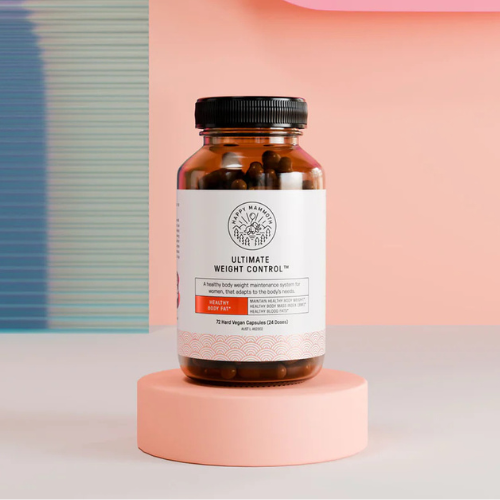
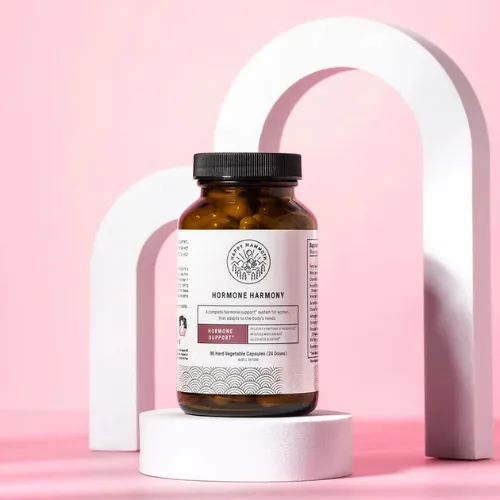
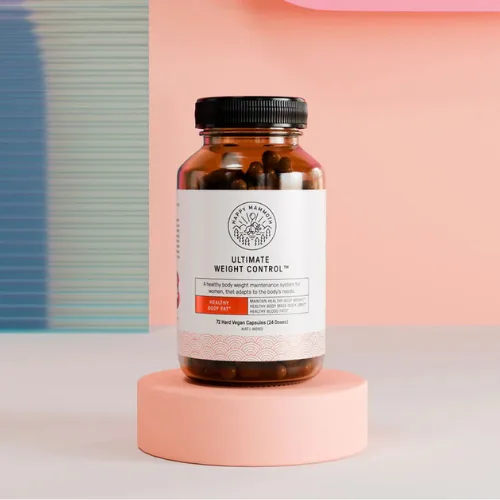
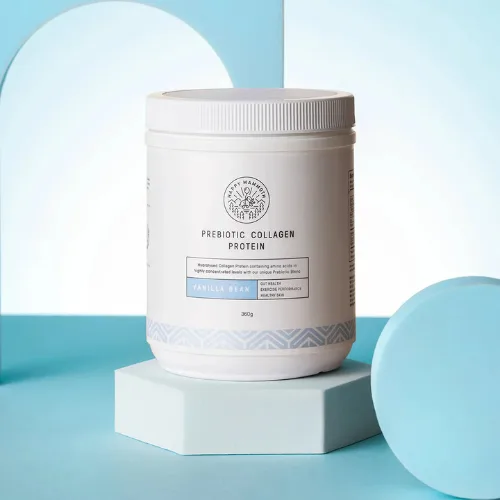
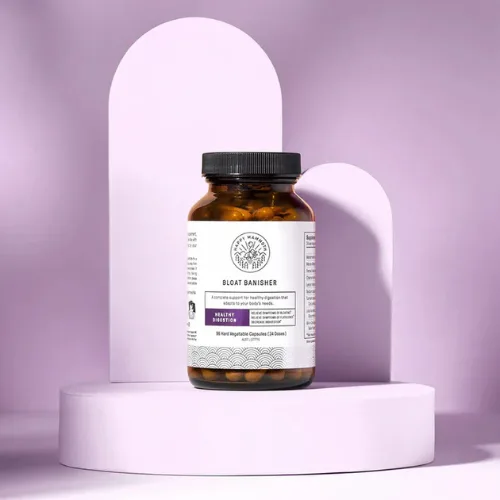
We’ve taken a look at the Happy Mammoth range of supplements and here are four worth considering, including Happy Mammoth’s Hormone Harmony and Happy Mammoth’s Prebiotic Collagen Protein.
As always, remember to consult with your healthcare professional to determine the most suitable solutions for your individual needs, especially if you have underlying health conditions. And always read the label and follow the directions for use.

The post Mixed Signals? Here’s Everything You Need To Know About Holistic Hormone Health appeared first on ELLE.