Views: 45
For those looking for a career in the fashion industry, there are a million roles out there—but not always a clear path to landing one. Establishing a career in this field is more art than science: the right mix of assisting, interning, networking and keeping an open mind. Of course, education often plays a role too, whether via traditional institutions like Parson’s in New York City and Toronto Metropolitan University, or something a little more new-gen. The Toronto Fashion Academy falls firmly in the latter category. The school and career development hub in Toronto’s west end opened 14 years ago, and focuses less on the scholarly aspects of the industry, and more on the practical. “We consider ourselves an addition to schools like TMU,” says founder Jason Cameron, who got his start as a talent agency booking agent and scout. “We’re not in competition. A traditional college or university program makes you an expert through theory. And what we provide is the working experience you need after graduation.”

Jason Cameron; Photo courtesy of TFA
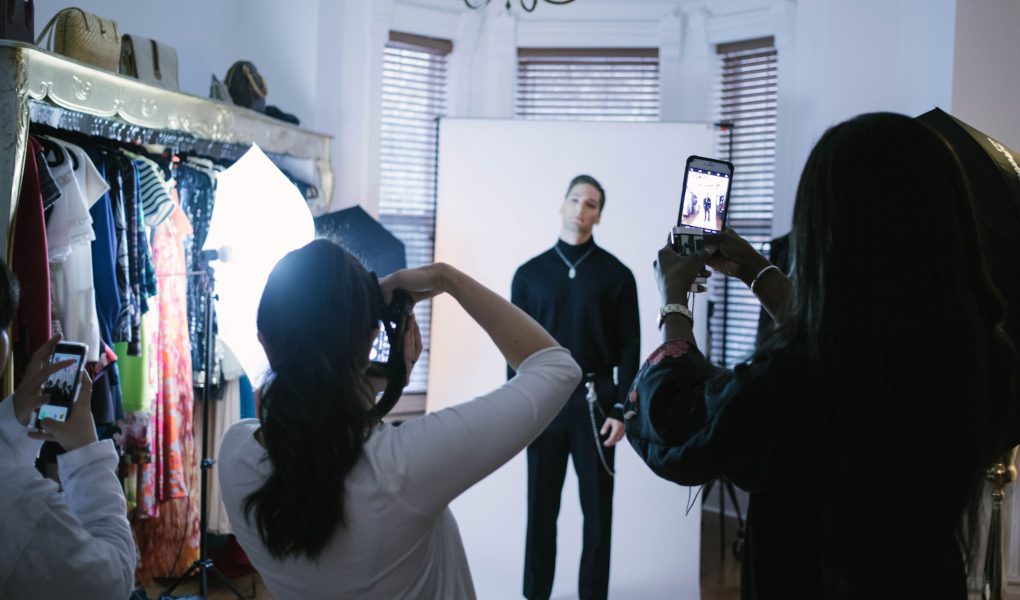
The idea for TFA was modelled after the Milan Fashion Academy, he says. “They focused on one curriculum and one division, which was design. And we turned around and said, ‘Why don’t we open up to all?’ We decided to bring in five departments, and it was a dream that turned into reality very quickly.” TFA offers workshops on styling, modelling, makeup artistry, design (in this program, students work one-on-one with a Canadian designer to build their own curriculum), business, photography and retouching. Cameron is also considering introducing an AI program. “We’re an unaccredited, private institute that houses instructors who are celebrities in their fields,” says Cameron. “Robson Oliveira is a trainer at Hermès Beauty. Victoria Khanlari is a makeup artist who’s worked at New York Fashion Week and with Vogue and Harper’s Bazaar.” Other instructors include stylist Amarsana Gendunova, who has dressed Shanina Shaik and Toni Garrn for red carpets and worked on commercial shoots with Nicole Kidman. “The list just goes on and on,” adds Cameron. “They’re very talented people who are great at what they do, and they not only give students a reality check of what the industry has to offer, but they also give them an understanding of how they went up the ladder.” One successful grad, Maria Chowdhery, went on to become the lead stylist at Entertainment Tonight Canada. Others have found full-time roles at Canadian fashion mainstays like Canada Goose and Mackage. This became possible, in part, thanks to TFA’s placement opportunities through the school’s built-in portfolio program. “We provide our students to companies like Netflix, Sephora, L’Oréal, Fairmont Hotels and Anastasia Beverly Hills, where they get actual working hours and working experience that they can put on their resume,” says Cameron. “They’re actually going to pursue their career properly because they have the right names backing them,” he adds.

Photo courtesy of TFA
Programs cost a total of $1,575 (including a registration fee) and run for 32 hours on Saturdays and Sundays. There are no prerequisites to join, and classes are kept small—10 people or less. And once you enrol in a TFA workshop, you’re in for life, and can retake it as many times as you want, free of charge. “For example, if we have a new instructor coming in for a makeup class, a student can come back and retake that workshop for free with a different instructor,” says Cameron.
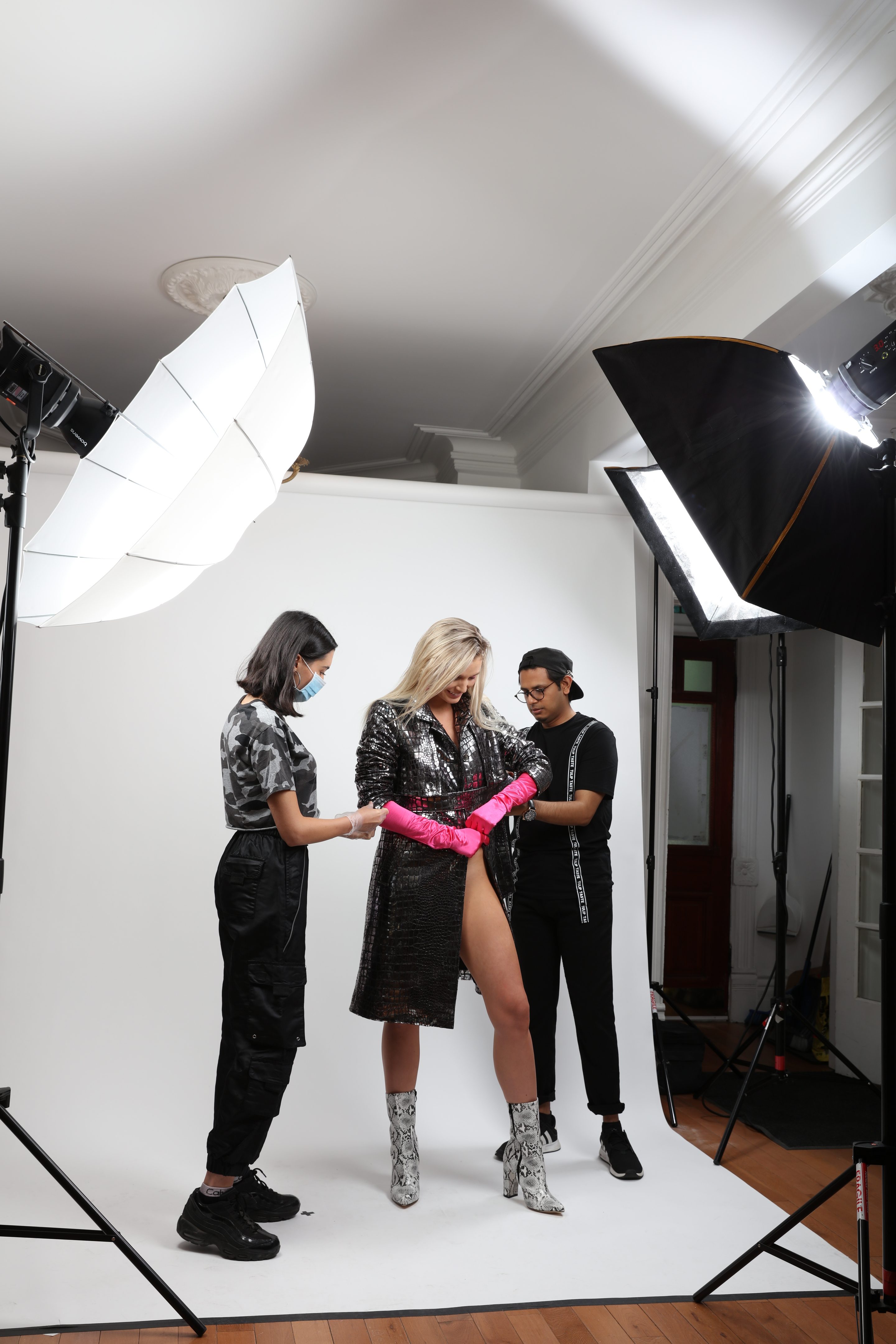
Photo courtesy of TFA
Plus, TFA’s expansive new space on Queen Elizabeth Boulevard acts as a community hub for current and past students. “We have a cafe where you can sit and do work, we’re never going to kick anybody out,” says Cameron. Fun fact: This industrial-chic studio even served as the venue for the 2025 edition of FASHION’s The Ones event, which drew a who’s who of Canadian fashion talent. The most rewarding part of running TFA? For Cameron, that would be the end result. “Everyone who works here really wants to see students succeed. And when I see someone start out shy and reserved in the first class, and then transform into a talkative, vibrant person who’s able to actually create, that brings me so much joy every time.” When it comes to supporting Canadian creatives, Cameron wants to see more funding at all levels of government. To fill the gap, TFA started working with corporate partners like HP Canada to give designers some unique opportunities to showcase their work and get paid. The second thing? “Get rid of the cliques within the industry, there’s a lot of them,” he says. “Our industry will only thrive when we work together on one goal, which is diversifying fashion to the point where our designers, our stylists and our makeup artists don’t need to leave the country to become big.” And while no one said that starting a career in fashion would be easy, it certainly shouldn’t be impossible. Continue Reading


