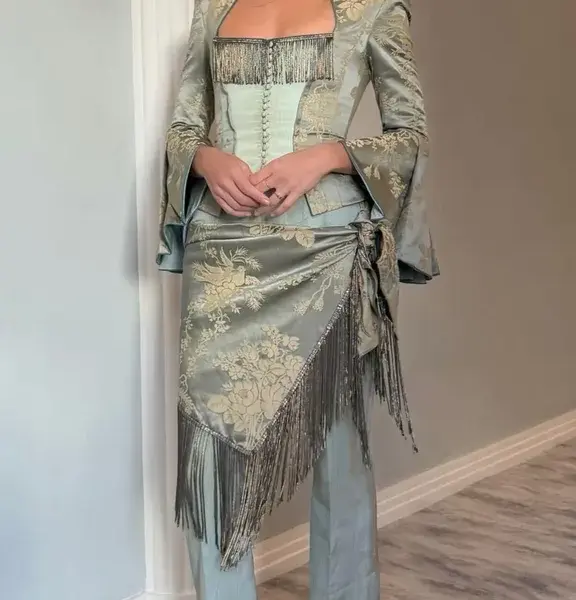
Views: 36
The combined cultural weight of Wuthering Heights, Margot Robbie’s accompanying press tour looks, and Bridgerton has us all talking about “Regency-core”. And, while the trend would be nothing without its accompanying corsets, wasp waists and hook-and-eyes are all a lot to think about while standing at your wardrobe at 7 am.
The Regency period (roughly 1795–1830) gave us puff sleeves, delicate muslin, slippered feet, and — perhaps most importantly — the corset as an object of both function and desire. Boning, lacing, the whole dramatic apparatus of getting dressed. In Emily Brontë’s Wuthering Heights, set a generation earlier in the late 18th century, these silhouettes are part of the visual language of the era: the cinched bodice as social armour, the corset as both constraint and statement.
Emerald Fennell’s 2026 film adaptation leans hard into this. Costume designer Jacqueline Durran — who is something of an expert after turns on Anna Karenina and Little Women — was given a mandate to pull from 500 years of fashion and art history rather than strict period accuracy. Cathy’s 50 costumes draw on references ranging from Tudor England to 1950s Hollywood, Thierry Mugler and Alexander McQueen. Crucially, many of her most striking looks feature the corset as its dramatic centrepiece: a red bodice and white blouse that opens the film, a bridal corset that Cathy famously demands Nelly tighten as a kinky kind of self-punishment, and a black wedding-night look that wraps her “like a present” in Durran’s own words. The corset is a cage and an expression of the sexual agency Cathy struggles with throughout the story (and also something Jacob Elordi uses to implausibly lift her up with in their first steamy scene).
The ELLE Edit: Bodice Ripper
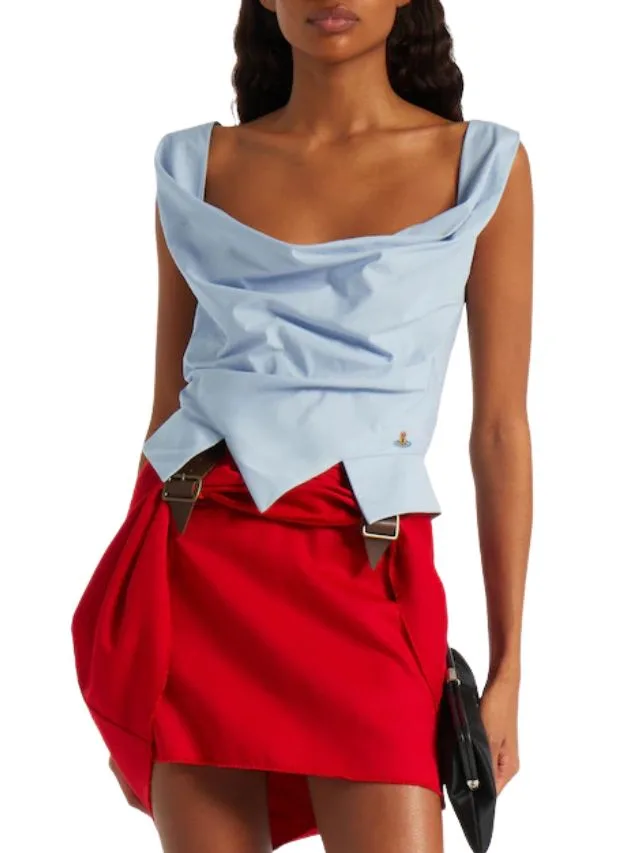
ADIDAS
Firebird Shorts
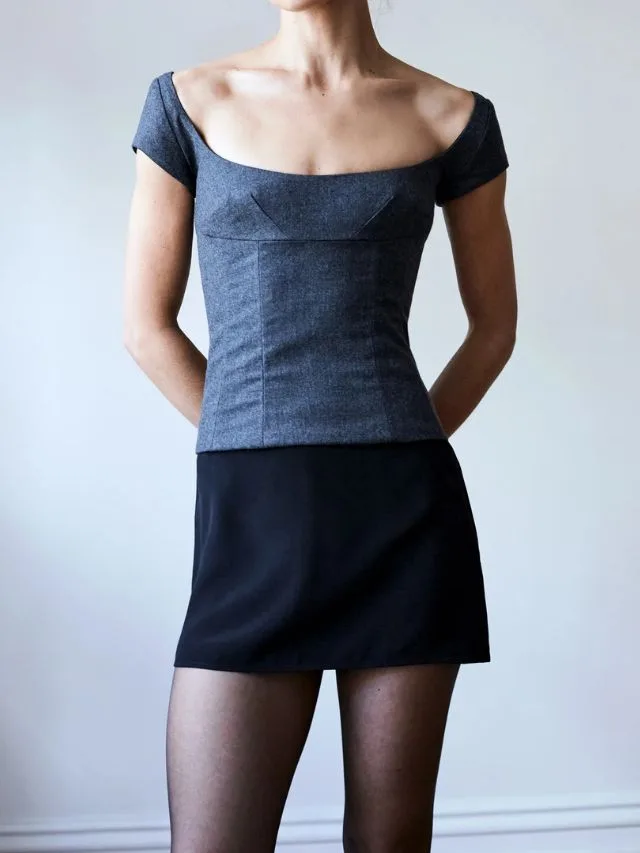
ALL IS A GENTLE SPRING
The Demi Cup Corselette in Wool
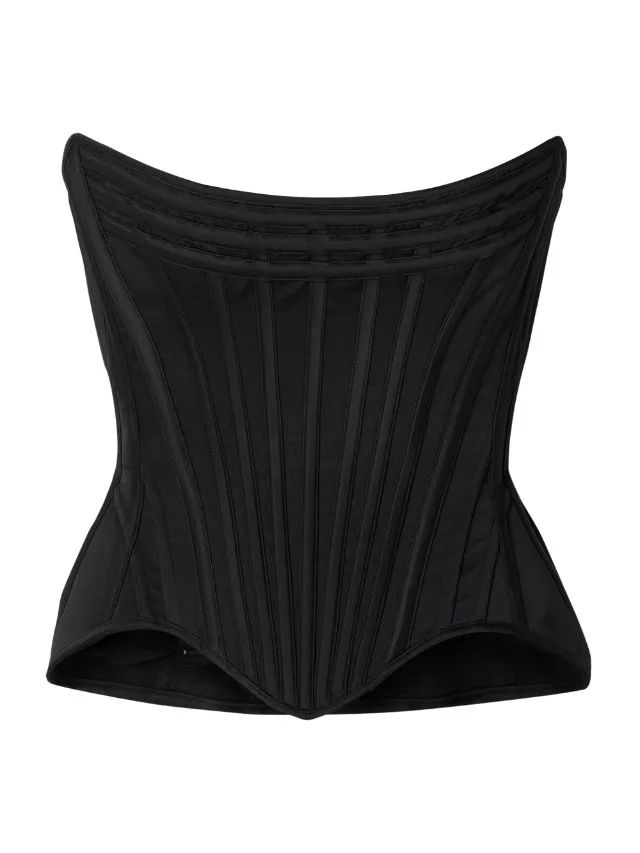
WIEDERHOEFT
Wasp Strapless Bustier Top
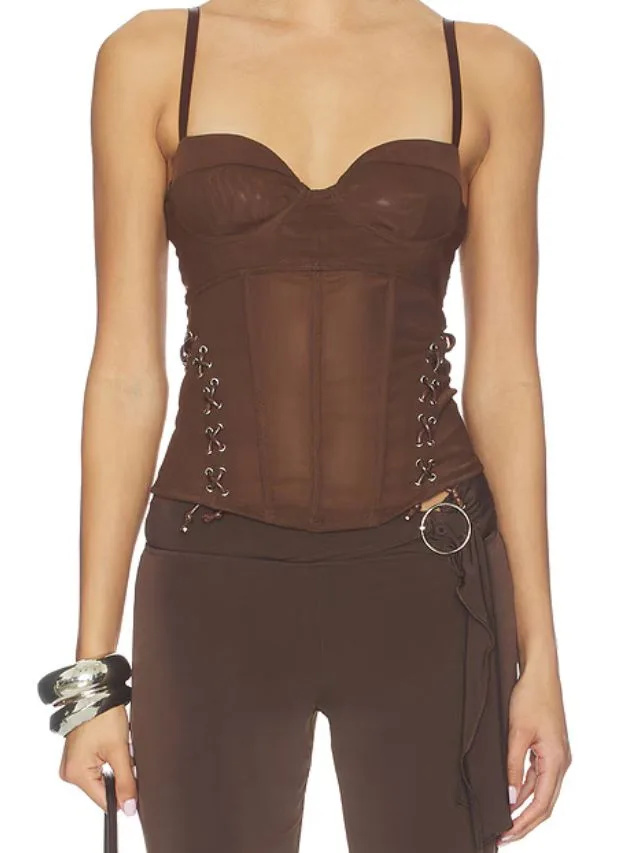
FREE PEOPLE
Clementine Tree Head Scarf “Apricot”
Margot Robbie made a very strong case for the corset while on the press tour for Wuthering Heights, appearing in a succession of snatched-waist ensembles. Working with her long-time stylist Andrew Mukamal — the mastermind behind those exacting Barbie looks — she showed endless ways to wear the wardrobe item. From a custom Schiaparelli gown at the LA premiere to a custom Thom Browne at the Paris premiere: a black silk moiré off-the-shoulder corset dress with a suspender skirt. And, of course, the London premiere’s custom Dilara Fındıkoğlu nude silk tulle corseted gown, its boning adorned with braided hair, a nod to Brontë-era mourning traditions.
We’ve seen all of this filter directly into fashion. At Sandy Liang’s fall/winter show, models wore squared-off necklines and beribboned tops, masses of lace, and snatched waists worthy of a lady of romantic literature.
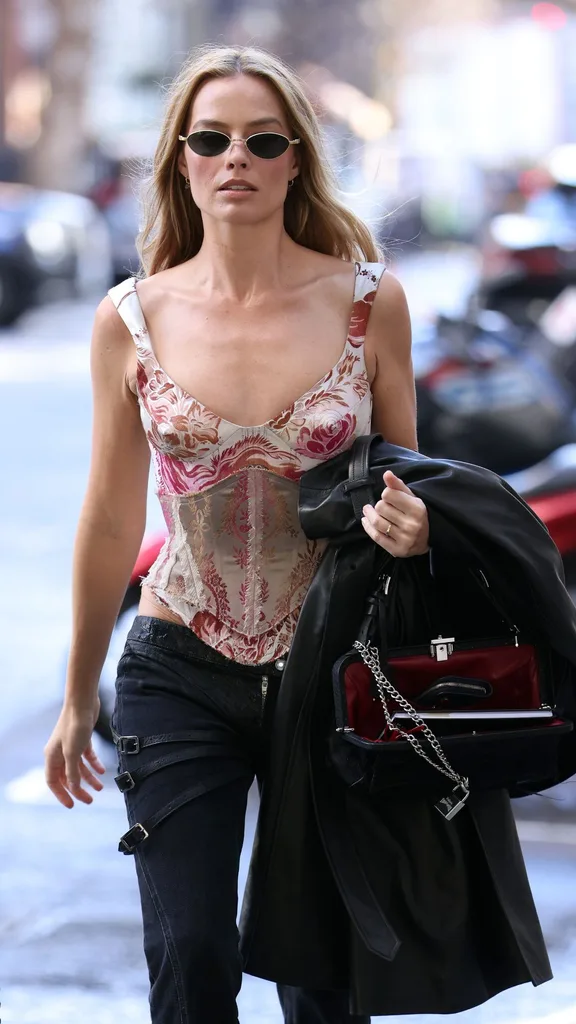
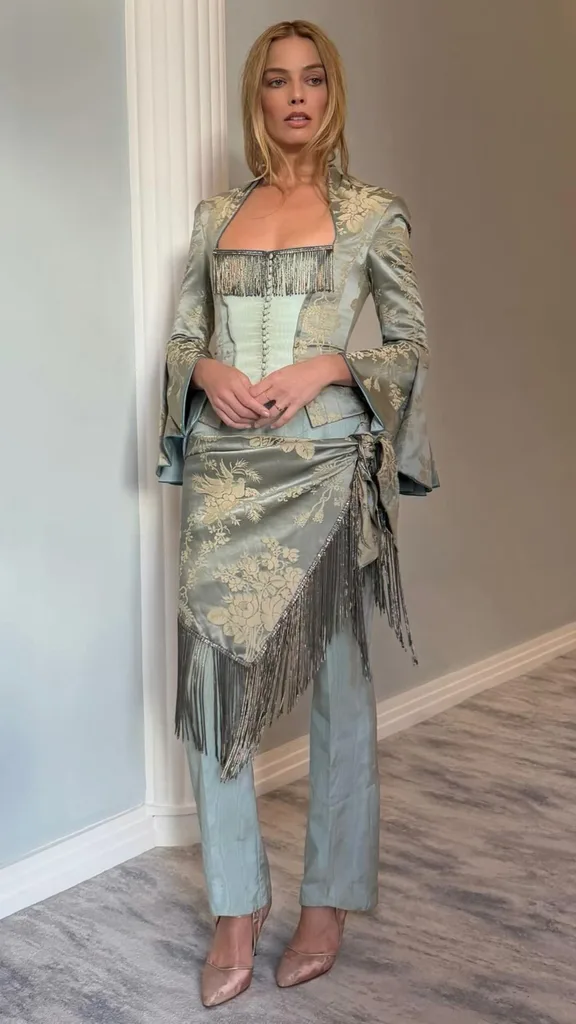
The corset is a dramatic wardrobe piece that is also, let’s be honest, highly erotic. You can’t do all those laces up without imagining someone undoing them (hence the term “bodice-ripper”). History has given us a crash course in the allure of the corset, and we know from that same history that it can also veer, very quickly, into naff, tacky and costumey territory. The line between “gothic glamour” and “Renaissance fair” is thinner than a boning channel.
Vivienne Westwood was the queen of the corset — and essentially its modern inventor. In 1987, for her Harris Tweed collection, she first showed the “Stature of Liberty” corset styled as outerwear rather than underwear.
The corset has also been a favourite of designers like John Galliano, whose theatrically romantic sensibility made the boned bodice a recurring motif throughout his career (Robbie wore an archival Galliano piece — a pink feather-trimmed brocade coat from his Spring-Summer 1992 collection — during the London press tour leg as well as a long sleeve top). Maison Margiela, where Galliano has long served as creative director, has similarly incorporated corseted silhouettes across many collections. Meanwhile, contemporary designers like London-based Dilara Fındıkoğlu — who became something of the unofficial house designer of the Wuthering Heights press tour — and in Australia, All is a Gentle Spring, have embraced the theatrics of the silhouette for their office siren wasp-waisted tops.
The ELLE Edit: Lace Me Up
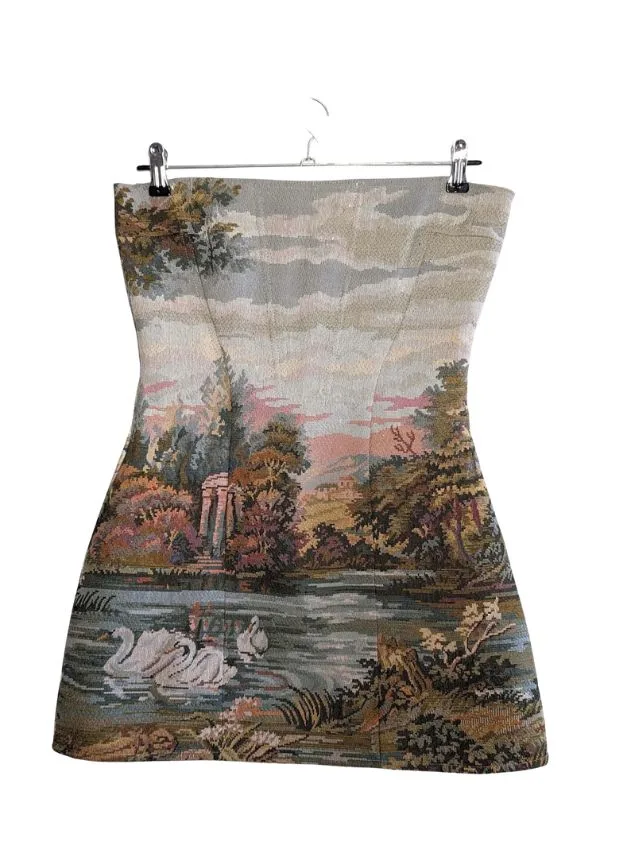
KRISTEN MALLISON
Tapestry Dress
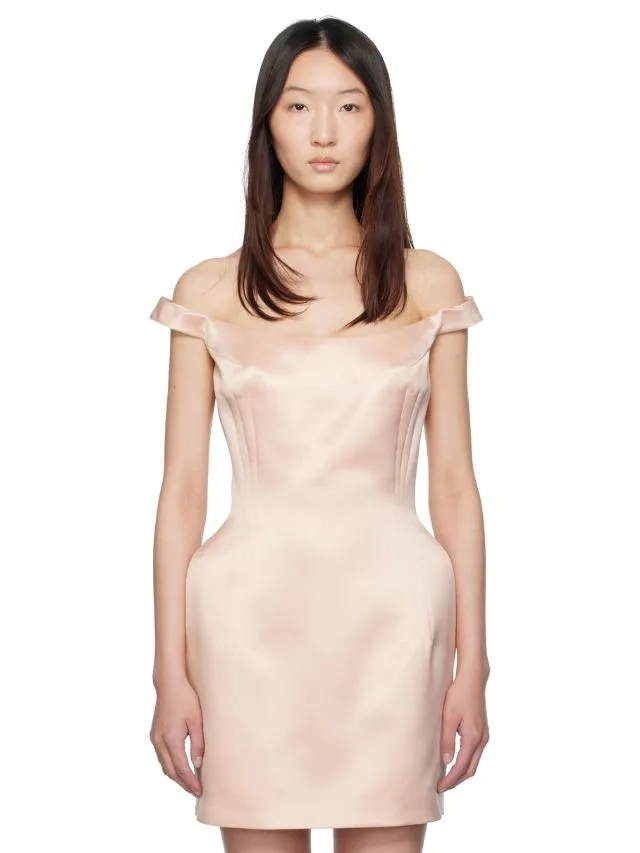
MAGDA BUTRYM
Pink Silk Mini Dress
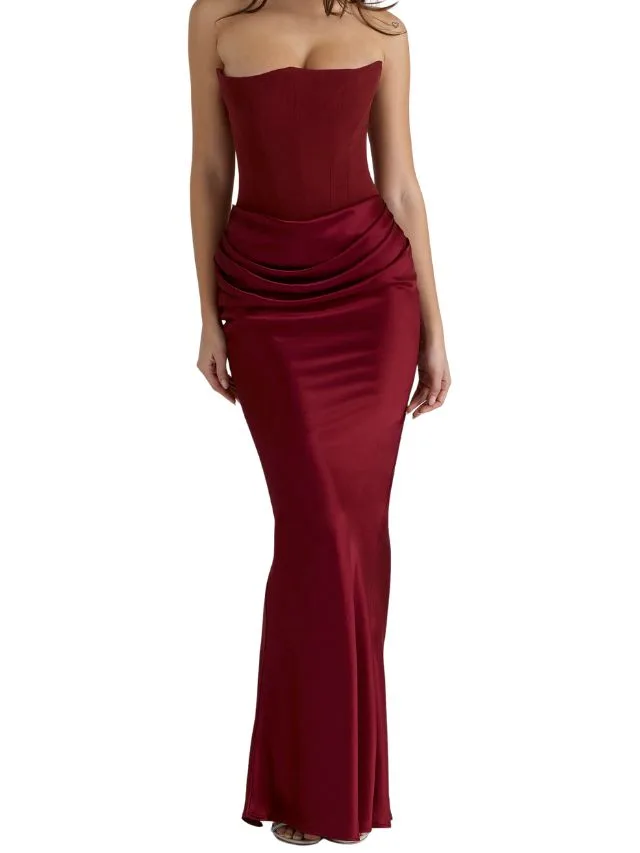
HOUSE OF CB
Persephone Wine Strapless Dress
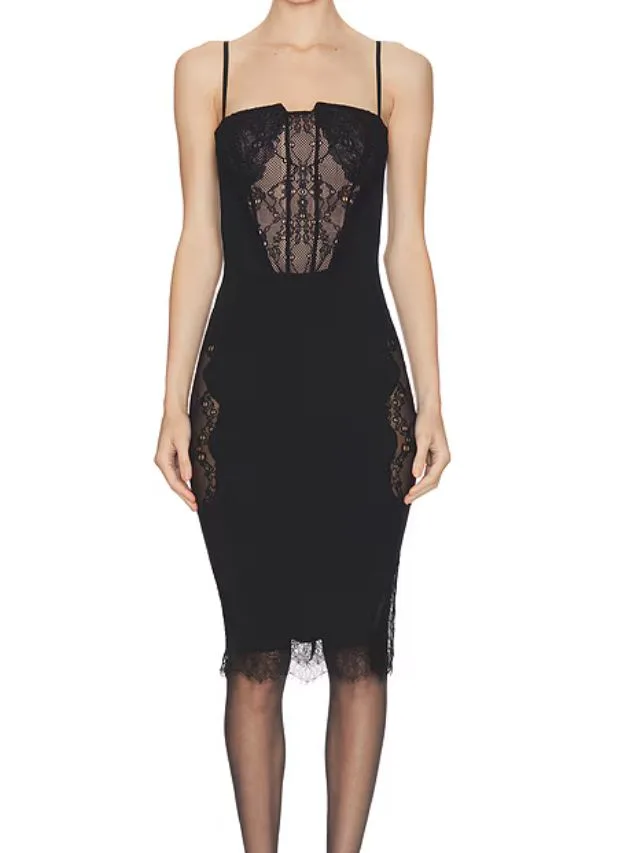
HAELO
Collage Corset Dress
The only catch? Translating the corset into your own off-runway and off-period production life when you don’t have access to the kind of archival and custom pieces Robbie was often wearing can be fraught with danger. What looks pitch-perfect next to Jacob Elordi on the red carpet can look slightly deranged at pub drinks.
ELLE Fashion Editor Jordan Boorman says there are a few rules to steer your IRL corsetry in the right direction.
“When I think corset, my mind often goes to Oktoberfest,” she admits. But there’s a reason Margot looks so compelling. “Margot is nailing it because she’s always wearing a corset in a really modern way,” says Boorman.
With everyone talking about Regency-core, the temptation can be to wear several looks at once — a balloon sleeve, a bow, a corset. Unless you’re headed to a Renaissance fair, there’s a good chance this will look jarring in your daily life. Boorman suggests steering away from pieces designed to function as lingerie, which so often have a flammable look to them, and instead looking at wearing the corset in a modern way — like Margot with her low-slung jeans, or a Kristin Mallinson dress.
The secret, really, is make one statement, not five. The corset is already doing the work — let it. Think Robbie arriving at BBC Radio London in a Dilara Fındıkoğlu “Alice in Wasteland” corset top with low-rise black jeans and no further drama required. Or a boned bustier with jeans. Now you just need your Heathcliffe.
The post So, How Do You Actually Wear A Corset? appeared first on ELLE.