Views: 63
The latest trend is happening south of our faces—like, way south. Enter the rising category of vulva products, which promise a different kind of lip care. In the past few years, brands like Dr. Barbara Sturm, Bushbalm and Diva Canada (the makers of the Diva menstrual cup) have released products created for our nether regions, specifically the external part of the genital area. From Sturm’s V Drops to Diva’s latest full-service Pelvic Wellness Bundle, these products are geared toward helping us maintain a balanced pH, relieve dryness from moisture loss and fight against irritants and range anywhere from $17 to $135. If you’ve been paying attention to the skincare world for a while, this should come as no surprise. Canada’s skincare market was set to surpass $3 billion in 2025. Globally, that number is estimated to grow to a staggering $250 billion in 2026. And we’re not hitting those numbers by focusing on the face alone. In other words, “skincare needs to find new markets and new parts of the body to appropriate,” says Marc Lafrance, associate professor of sociology and anthropology at Concordia University in Montreal. For a well-established example, look to the steady rise of skincare ingredients in makeup. From featherlight tints to full-coverage foundations, formulas are loaded with hyaluronic acid, niacinamide and other buzzy ingredients, blurring the line between your vanity shelf and your medicine cabinet. Hair, too, has been skincare-ified, with brands promising to “treat your scalp like your face” and serving up exfoliating scrubs, head-spa rituals and seasonal rotations of serums and masks—all under the skincare umbrella. But getting back to vulva care for a moment—do we really need it? The short answer for Dr. Renée A. Beach, a Toronto-based dermatologist, is no. While there are people who deal with inflammatory issues on their vulva and may require additional attention to the area, “for the average person walking around, it’s enough to wash the area daily with water and a gentle cleanser,” she says.
What was once private is now prime real estate.
That’s not to say that these products won’t do something. As Beach notes, most products in Diva’s Pelvic Wellness Bundle are water-based, with soothing ingredients like aloe, which can’t hurt. But essential? Not exactly. When they’re not used in the right context, they risk becoming more noise in an already over-saturated skincare market. “There’s a level of both education and miseducation among the public concerning skincare,” Beach says. People are more comfortable Googling symptoms or asking AI to build routines, but that flood of info can backfire. “The problem is that there’s so much misinformation, and sometimes the people with the largest audiences and the loudest microphones get the most attention but they’re not necessarily giving the most accurate, informed, educated or responsible information.” And while the average consumer doesn’t need active ingredients laced in their fragrance, you can hardly blame them for reaching for it anyway. Skincare is more than skin deep; products can attempt to address not just surface-level concerns but also the psychological and emotional issues that acne or the aging process can trigger. Research has found that even mild acne scars can impact people’s success in the job market. When people don’t feel good in their skin, the fallout can be brutal. “The psychological effects are far-reaching,” Lafrance says. This can lead to feelings of depression, low self-esteem and a distorted body image. Throw in the warped ideals fed by social media and it’s no surprise that skincare—with its promises of healthier and better-looking, well, everything—is booming. And this is exactly why the industry won’t stop at your cheeks or even your vulva. No body part is off limits. What was once private is now prime real estate, sometimes flipped into glossy campaigns and sold back to us as insecurities we didn’t even know we had. “Skin is how others access me and how I access them,” Lafrance says. “Our skin is in so many respects a kind of metaphor for the rest of the body.” Translation? If it’s skin—or even skin-adjacent—the industry will turn it into a category and then convert that category into cash.
The Skinification Timeline
Follow the rise of skincare-powered everything—a journey from actives in foundations to hair care and grooming.
Makeup
Early 2010s
[instagram-oembed url=”https://www.instagram.com/p/DS-Wjfnj8p_/?hl=en” /] The concept of skinification first took hold in the early 2010s, driven by the Japanese- and Korean-beauty waves that swept into North America. Brands like Amore Pacific and Dr.Jart+ launched BB and CC creams that blurred the line between skincare and makeup, offering hydration, radiance and SPF protection—and sparking a new skin-first mindset with foundations.
Hair
Mid-2010s
[instagram-oembed url=”https://www.instagram.com/p/DTdl0XuEath/?hl=en&img_index=1″ /] Hair care began to mirror skincare’s evolution, with more steps, smarter ingredients and personalized routines aimed at strengthening, hydrating and protecting strands for the long haul. Brands like Kérastase, Olaplex and Oribe helped lead the charge.
Vulva
Late 2010s
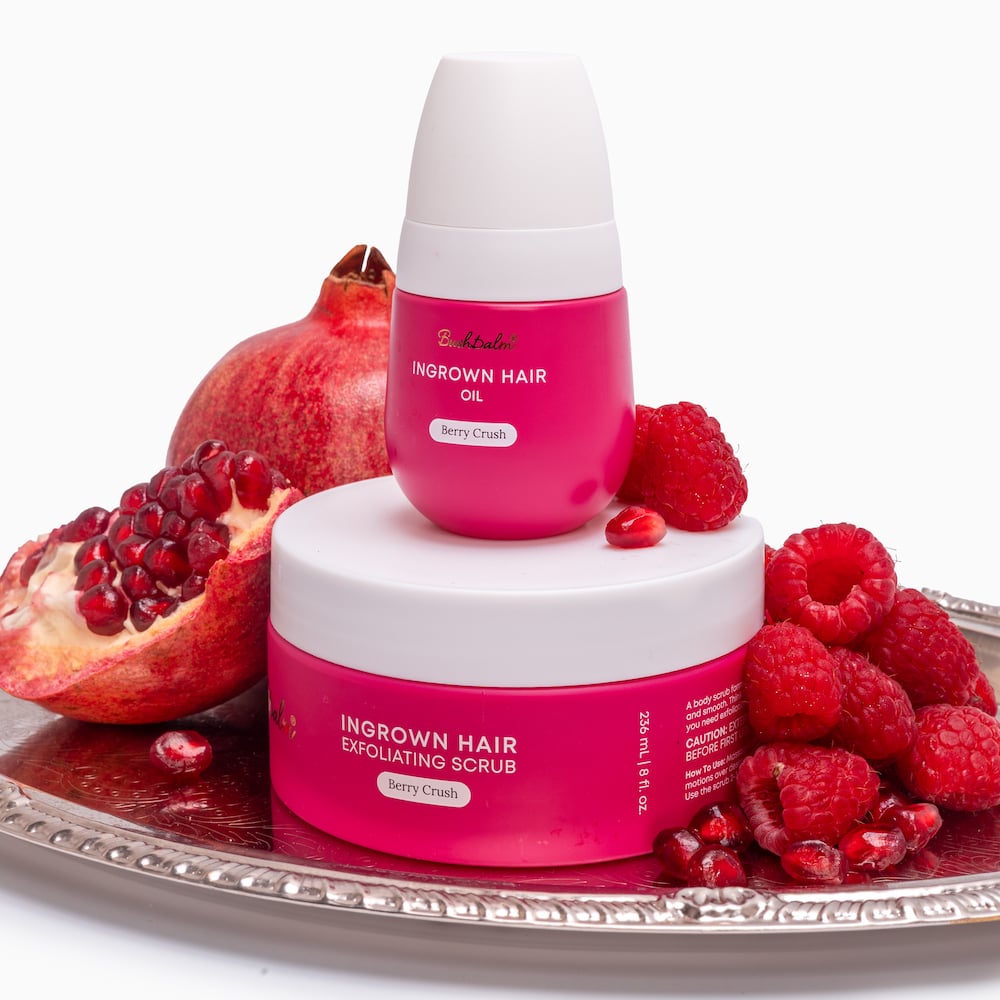
Photo courtesy of Bushbalm
The vulva care category began growing in the late 2010s, moving beyond basic hygiene to include targeted products like pH-balanced washes, vulva-safe balms and even masks.
Scalp
2020s
[instagram-oembed url=”https://www.instagram.com/p/DBrKNOJOUpf/” /] Though modern Japanese head spas originated in the ’90s, they didn’t hit their stride until TikTok (and celebrity endorsements) made scalp health a thing. Now, hair longevity and sudsy scalp scrubs and massages are full-blown obsessions—whether you’re booking a spa appointment or indulging in an “everything shower” at home.
Body
2023
[instagram-oembed url=”https://www.instagram.com/p/DNd14cXtei5/?hl=en&img_index=1″ /] Speaking of the “everything shower,” in 2023, the body care category levelled up, with brands like Nécessaire, Naturium and Avène using actives like retinol, niacinamide and vitamin C, which were once reserved for the face, to power body washes, scrubs and lotions. Skin below the neck is finally having its moment. This article first appeared in FASHION’s November 2025 issue. Find out more here. Continue Reading