Views: 49
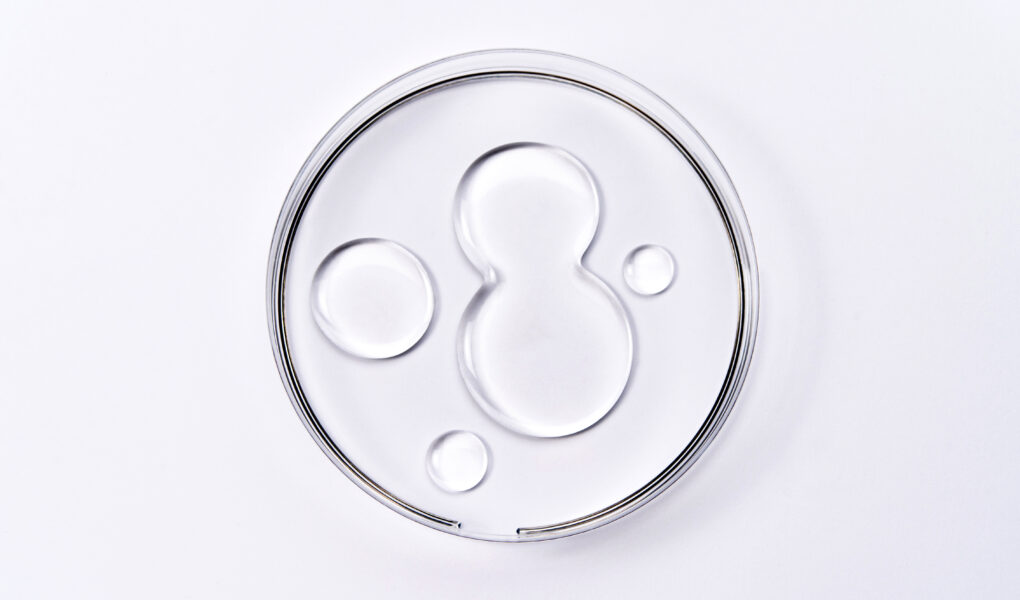
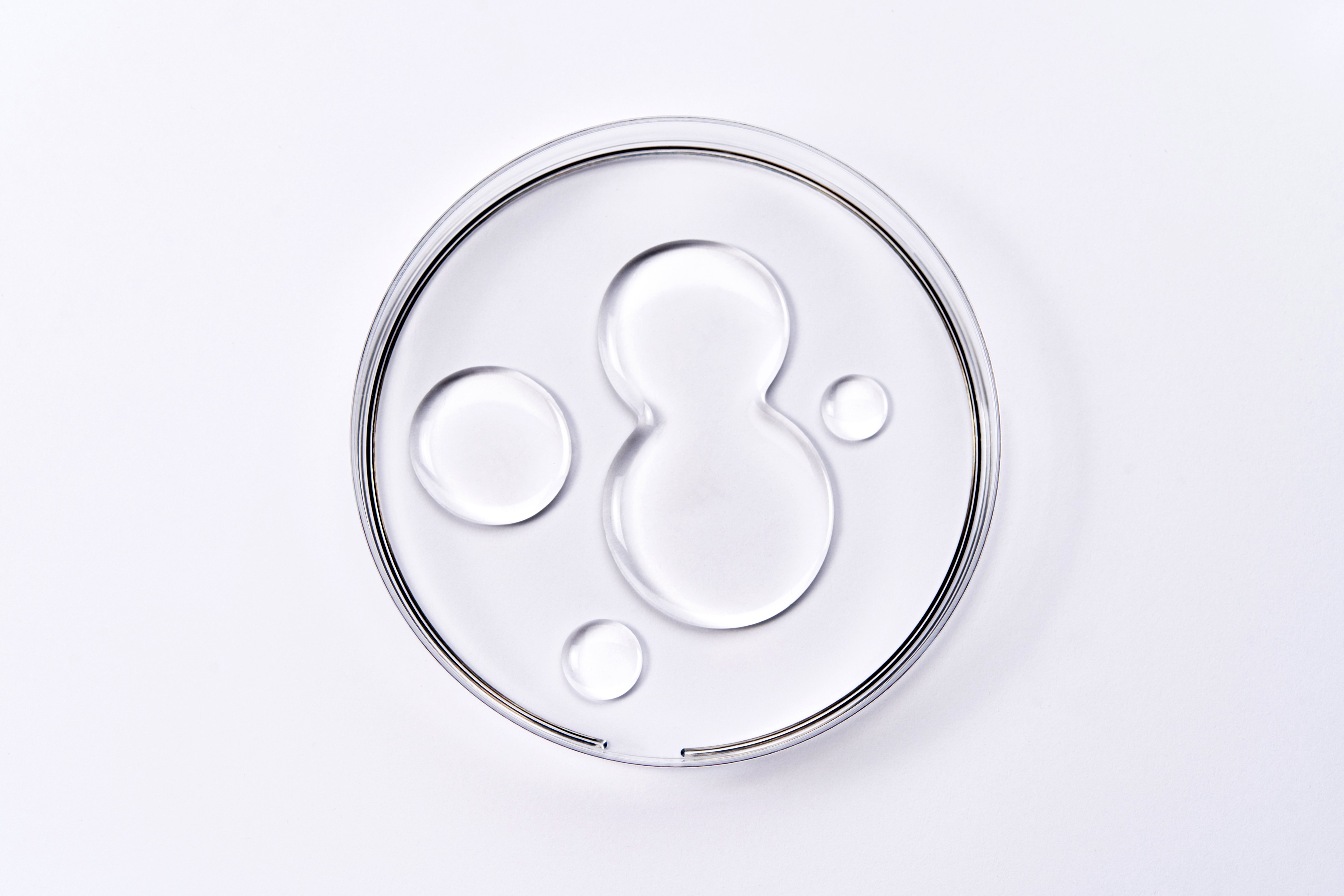
In fashion, there are few higher luxuries than Savile Row bespoke, where every detail of a handmade garment is designed with one person in mind. But in the world of beauty, customization has limits. Virtual skin-analysis tools, plug-and-play ingredients and package engraving offer some degree of personalization without actually crafting one-of-a-kind products. Until now. Acorn Biolabs, a Toronto-based company co-founded by Drew Taylor, is breaking new ground by harnessing the power of stem cells (the repair cells of the body) to concoct serums that are unique to each customer. Forget vitamin C or retinol—the active ingredients in these serums are autologous, meaning they’re made by the customer’s own cells. The result? A higher level of personalization than ever before seen in the industry. Naturally, the creation process for each serum is long: two months from start to finish. In short, it involves plucking around 70 of a client’s hair follicles, each one rich in mesenchymal stem cells, and bottling the by-products of those cells. [instagram-oembed url=”https://www.instagram.com/p/CwA3iVItas_/” /] Stem cells are exceptional because they’re capable of renewing themselves over long periods of time. Plus, they have the potential to transform into other cell types. When the stem cells are placed in a culture dish, they can replicate to fill the space around them. “In the process, they release growth factors, peptides, proteins, exosomes, collagen and elastin,” says Taylor. That cocktail of regenerative goodness is called the secretome, and it can be applied to the face or scalp, typically after microneedling or laser. Acorn claims that its secretome serum has many benefits, from boosting elasticity to supporting hair growth. “It’s going to stimulate your skin to produce more skin cells and more collagen and elastin,” says Dr. Cory Goldberg, a longevity expert and plastic surgeon. “These things prevent wrinkles and keep your skin thick, making it stretchy so it doesn’t sag.” The serum also helps control inflammation and speed up healing. Since it’s autologous, the body is less likely to mount an immune response to it compared to a product made by donor cells. The perks don’t end there. Producing the serum only requires a handful of follicles. For an annual fee of around $200, the rest can be cryopreserved at a temperature of -196°C. “We basically shut the cells down without killing them, freezing them in time,” says Taylor.
Photography via Getty
This means that if you bank your follicles when you’re 25, you can have a serum made from your 25-year-old stem cells when you’re 60. “The regenerative potential of every cell line in your body is best when you’re young,” notes Dr. Frank Lista, founder and medical director of The Plastic Surgery Clinic, one of the places that has introduced Acorn’s technology this year. “The quality of that regenerative process decreases with age.” While the ideal time to harvest follicles is as early as age 12, Taylor often sees clients in their 50s or 60s. “When you’re 80, 60 looks pretty good,” Taylor says of the regenerative capacity. Acorn can also ensure that each serum contains plenty of growth factors before it’s shipped off to be used.
“We basically shut the cells down without killing them, freezing them in time”
Aside from beauty applications, stem cells hold a lot of medical promise and have been studied for decades. Currently, there are strict limitations—in 2019, Health Canada cracked down on 36 clinics across the country, urging them to stop using certain treatments—until further clinical trials have been completed. In the future, though, it may be possible to reprogram stem cells to produce insulin and treat diabetes, say, or natural killer cells to fight cancer. That’s where your banked hair follicles will come in handy. “I can only imagine what advances we’re going to see in the next 20 years,” says Lista. Even in its current form, the secretome serum is a ground-breaking example of personalized beauty. It’s also pricey: It costs around $8,000 to collect the follicles, make 12 vials of serum and tack on six sessions of microneedling. If youthful-looking skin doesn’t feel like enough incentive, look at it this way: “Your skin is like a protective suit,” Goldberg says. “Much more than the rest of your body, it is subject to massive amounts of trauma, inflammation and oxidative stress.” Protecting that suit is a crucial component of healthy living.
What’s the Difference?
Platelet-Rich Plasma (PRP)
PRP is created by drawing a client’s blood, separating the platelets and plasma and then re-injecting or microneedling them into the face or scalp. Many people are fans, but results can be affected by age, diet and more. Cost: $1,500 to $4,500 for three sessions.
Fat Grafting
Inserting a client’s fat, which can be rich in stem cells, into their face to reap its rejuvenating benefits requires liposuction, making it the most invasive procedure on the list. Fat can’t be effectively preserved, so using your 30-year-old fat cells when you’re 60 isn’t possible. Cost: $5,000 for a one-time treatment.
Exosome Therapy
Secreted by stem cells, exosomes are messengers that transport active compounds to other cells. Exosome therapy usually involves applying donor exosomes to the face or scalp after other treatments, like microneedling or laser. Donor exosomes may lack efficacy and can also trigger an immune reaction. Cost: $2,000 to $3,000 for three sessions. This article first appeared in FASHION’s October 2025 issue. Find out more here. Continue Reading


