Views: 281
As a pasty gal with a genetic aversion to the sun, I grew up slathering on sunscreen while my peers poured on the tanning oil. Despite my commitment to SPF lotion, I’ve had some bad burns in my day. From experience, I can attest that harmful UV rays pass through clothing and penetrate sunscreen if it hasn’t been recently reapplied. This is why, if you’re looking for ultimate protection, you may want to layer it into your outfit. Enter UPF clothing, the unlikely trend that has been on the rise for months, alongside tan line aesthetics and vibe-y solar fragrances. Thanks to climate change and ozone layer depletion, UV levels are generally getting worse, meaning missing a sunscreen reapplication is only more of a risk. It’s an ever-important issue, says Lydia Dupree, a biochemist and content creator whose research focuses on toxins in the fashion industry. She notes that temperature has nothing to do with UV index, meaning an overcast day in the fall could have the same UV level as a scorching sunny afternoon in July. So, what is UPF clothing, and how exactly do you shop for it? If you’re both into style and skin protection, you’ve come to the right place.
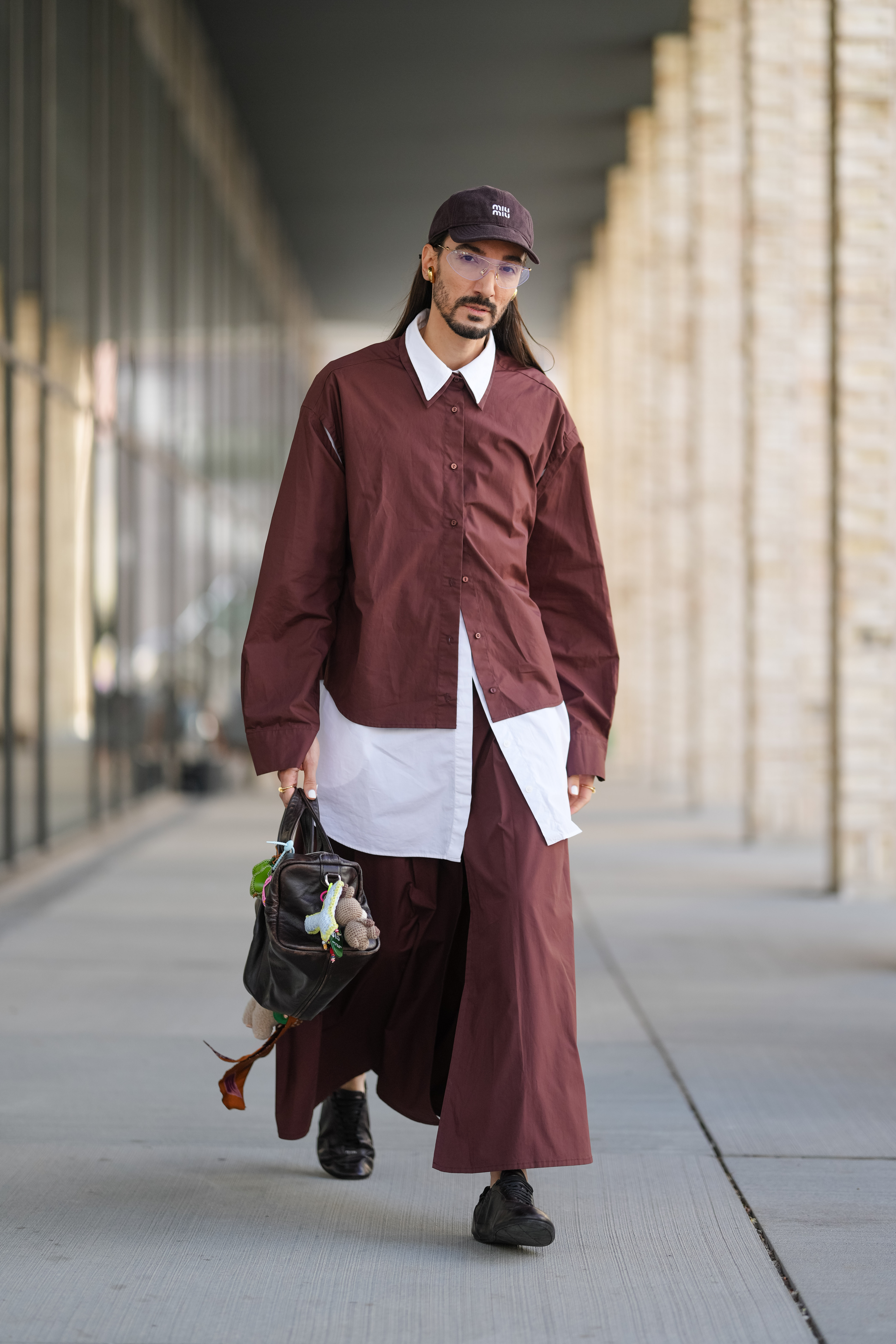
Photo by Edward Berthelot/Getty Images
What is UPF clothing?
UPF, which stands for Ultraviolet Protection Factor, measures how much UV radiation can pass through a fabric and reach your skin. UPF clothing, in turn, uses specific technologies to block UV rays. In the design process, Dupree explains that UPF clothing goes through standardized lab tests—like simulated sunlight exposure—to measure how much UV radiation passes through the fabric. It’s then given a rating to indicate its level of protection.
What do UPF ratings mean?
UPF clothes are most commonly given ratings of 15, 30 and 50+, with 50+ blocking up to 98 percent of radiation. Fifteen is the baseline for protection (“No garment can be labeled ‘sun protective’ if its UPF is less than that,” says Dupree), while 50 is the gold standard—and the recommended rating from the Canadian Skin Cancer Foundation.
Why should you wear UPF clothing?
Unlike sunscreen, UPF clothing offers consistent coverage, meaning there’s no need to worry about reapplying. It’s mostly a set-it-and-forget-it form of sun protection, which Dupree notes reduces the risk of sunburn, premature aging, and skin cancer. However, she adds that as with any kind of clothing, if it gets wet, its UPF rating goes down, so it’s best to have sunscreen on hand in case. This is especially true if you’re spending long days by the water. “The reflection of UV rays off the water can increase your risk of sunburn,” she says.
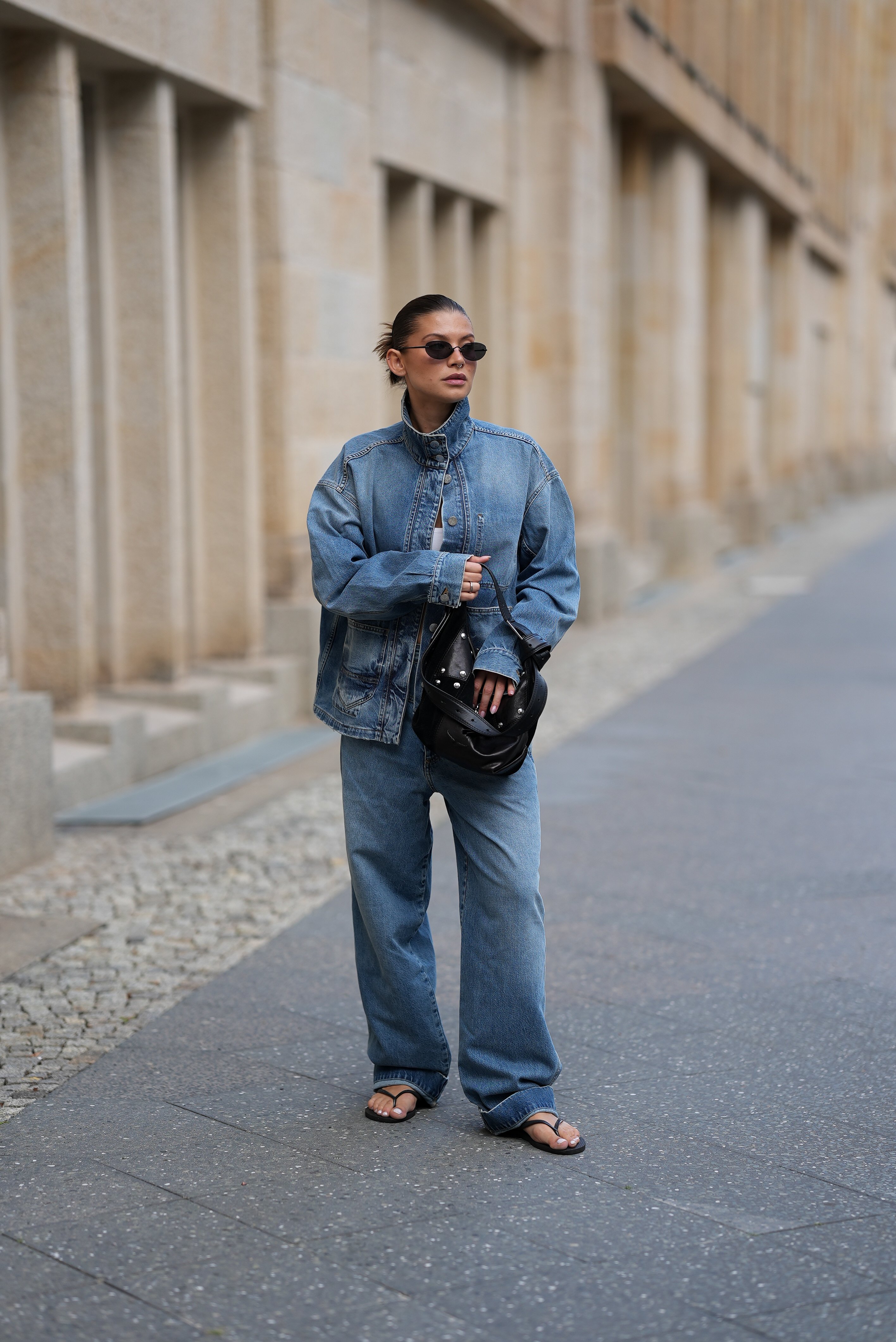
Photo by Moritz Scholz/Getty Images
What kind of materials are best for UV protection?
While clothes are your first line of protection because they offer a physical barrier, different factors affect their efficacy. When shopping for UPF clothing, Dupree offers some points to consider:
Colour
“Darker and brighter colours block UV rays more because they absorb light instead of letting it penetrate through the fabric,” says Dupree. This means a long-sleeve black shirt will be a better shield than a pastel yellow cotton T-shirt.
Weave
Tighter weave and thicker fabrics—think: denim and wool—have higher UPF ratings. “If you can see through it, it most likely does not have a high UPF,” Dupree notes. She adds that, in general, synthetics like polyester offer more protection as they are a tighter weave than natural fibres like cotton. “While many of us are trying to get away from synthetics, this may be the one instance you want to wear them, especially as an outer layer.”
Fit
While snug pieces might feel instinctively more protective against the skin, in this case, the looser the better. “Tight clothing can stretch, allowing UV rays to pass through,” Dupree explains. It’s also best to opt for pieces with more coverage, like those with full-length sleeves and high-rise necklines.
How to shop for UPF clothing
The good news is, if a brand goes through testing for a strong UPF rating, it will be obviously labelled as such. Dupree sites go-to retailers like Patagonia, Hikerkind, Land’s End and Solbari. There are also a handful of fashion-forward brands—like Uniqlo and Claudent—that mix elevated aesthetics with UPF protection. Below are some picks to get you started. [content_module id=”1″] Continue Reading