Views: 50
As we begin to recover from the single snowiest day in Toronto’s history, the only thing getting me through the upcoming weeks of freezing sub-zero temps is my trusty cashmere collection. Smooth, soft and oh-so warm, these pieces are not only a must for Canadian winters, but are surprisingly a key player in my wardrobe for any time of year. The luxe material instantly upgrades any outfit, and its natural, breathable fibres make it a fit for year-round ensembles no matter the season. Of course, purchasing cashmere can be overwhelming due to its wide price range and varying quality levels. Below, we answer everything you want to know about the luxurious fabric.
What is cashmere anyway?
Cashmere is a type of wool that’s prized for its rare combination of softness, warmth and lightness. It comes from the fine undercoat of cashmere goats, which are primarily found in the cold, high-altitude regions of Central and East Asia—most notably Mongolia and China—where harsh climates help the animals produce thicker, softer coats. While the goats themselves aren’t rare, each yields only a small amount of usable fibre each year, making true cashmere wool limited and highly valued.
Beyond its feel, cashmere stands out for how it wears. The fibres are delicate yet resilient, allowing well-made pieces to drape beautifully and last for years with proper care. Given its origins, the material is also naturally insulating yet breathable, making it perfect for our ever-changing Canadian climate.

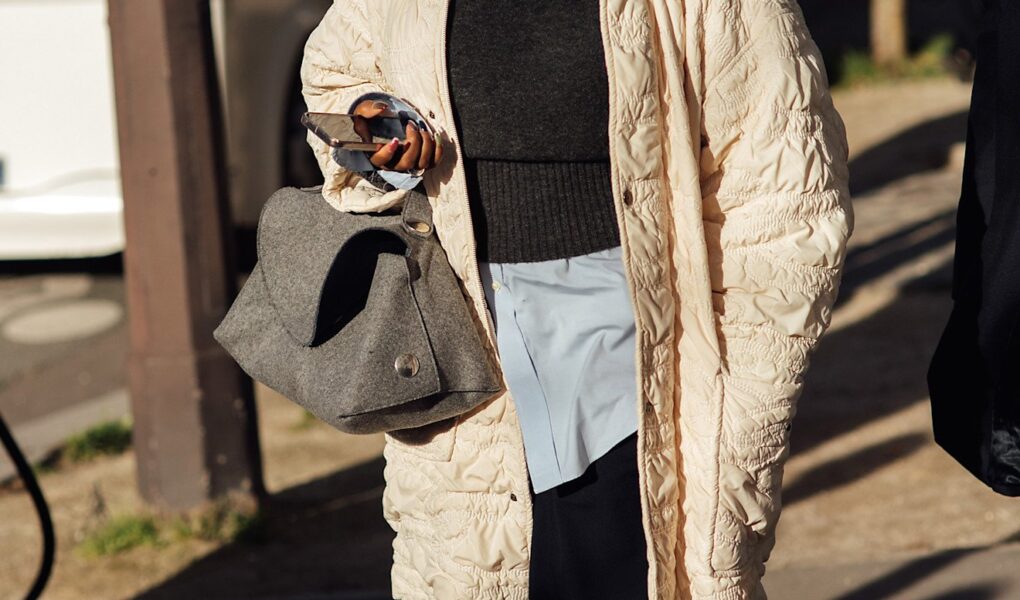
Photography via Spotlight/Launchmetrics
What to look for when shopping for cashmere
Discerning quality cashmere starts with evaluating the texture of the material itself. Look for knitwear made from long, fine fibres, which have a smooth and flexible—rather than fuzzy or scratchy—feel. A tighter, denser knit is another good sign; it indicates durability and helps the garment hold its shape. Cashmere is also frequently blended with fibres like wool, silk or recycled synthetics to improve strength and reduce cost. While high-quality blends can perform beautifully, 100% cashmere remains the most coveted for its unmatched softness and warmth—qualities that stem from the fibre’s rarity. You might also see cashmere described by “grade,” often labelled A, B or C. While these categories are meant to refer to fibre fineness (with ‘A’ having the thinnest and softest fibres), they aren’t regulated and can vary widely between brands. As a result, grading is often more of a marketing tool than a meaningful guarantee of quality, and, while it can be helpful, it shouldn’t be the deciding factor when shopping. Instead, focus on quality markers that can be assessed even from afar. A well-made cashmere sweater will have clean seams and even stitching. When shopping online, pay close attention to fibre composition and notes on knit density, as the best cashmere pieces feel substantial without being heavy, offering lasting warmth, refinement and longevity that justifies the investment.

Photography via Spotlight/Launchmetrics
How to wash cashmere
While cashmere is certainly delicate, with a little attention, your favourite sweater can last for years. Most pieces do best with gentle hand washing in cool water using a mild detergent, and avoid using hot water whenever possible, as it can shrink or damage the fibres. After washing, gently press out excess water—never wring—and lay the garment flat to dry, allowing it to naturally reshape as it dries. It’s also imperative to avoid hanging cashmere, as that can stretch the fibres out of shape. Don’t be alarmed when your sweater starts to pill, either. Pilling is a natural part of cashmere wear, caused by the fine materials rubbing together, and it’s not a sign of poor quality. Over time, these tiny ball-like fibres can appear, especially on high-friction areas like sleeves or underarms, but they can be easily removed with a cashmere comb or fabric shaver. To make pieces last as long as possible, rotate to reduce constant wear, store them folded rather than hung and wear undershirts or lightweight t-shirts under your sweaters to protect from sweat and oils. With these steps, your cashmere will remain soft, luxurious and like-new for years. [content_module id=”1″] Continue Reading