Views: 20
THE RUNDOWN
- The Orionid meteor shower will peak in the early hours of Thursday, October 22, 2026.
- Experts recommend 3:30 am, just after moonset, as the best time to see the meteor shower.
- During the Orionid meteor shower, viewers can expect 10 to 20 meteors per hour.
You don’t need to be an astronomy lover to enjoy a good look at the stars, and this week is bringing a rare celestial treat. The Orionid meteor shower will peak on Thursday, October 22, 2026, providing a stunning display as Halley’s comet leaves its trail across the night sky.
Early risers will have the best vantage point. Expert astronomers have shared that the ideal window to catch October’s meteor shower will be around 3:30 AM AEDT. The early wake-up call is thanks to an almost-full moon, which will obscure your view until after moonset.
According to NASA, at their peak, the Orionids produce roughly 10 to 20 shooting stars per hour — averaging one every three to six minutes. However, positioning and timing are everything.
Below is your complete guide to catching the Orionids this week.
Key Facts:
- Active: October 2-Nov 7, 2026 (Peak Nights: October 21-23)
- Rising Time: 12am AEST
- Best Viewing Time: After 3:30am and 5:00am AEDT
- How Many Meteors: Between 10 and 20 per hour
- Comet of Origin: 1P/Halley’s Comet
When To Watch The Orionids
While the Orionid meteor shower is active from October 2 to November 7, it peaks sharply across Wednesday the 21st Thursday 22 and Friday 23. Although meteor showers remain visible between midnight and dawn, astronomer Dr Laura Driessen advises setting your alarm for 3:30am.
Although meteor showers remain visible between midnight and dawn, Dr. Laura Driessen advises setting your alarm for 3:30am. “The Orion rises around midnight AEDT and is high in the sky from around 3:00am,” she explains. “The moon sets around 3:00 am as well. Because moonlight makes it difficult to spot faint objects like shooting stars, catching the exact moment between moonset and sunrise is key for a pristine view of the Orionids.”
By State:
- New South Wales, Victoria, ACT & Tasmania (AEDT): Best viewing is between 3:30am and 5:00am on Thursday, October 22.
- Queensland (AEDT): Best viewing is between 2:30am and 4:30am on Thursday, October 22.
- South Australia (ACDT): Best viewing is between 3:00am and 4:45am on Thursday, October 22.
- Northern Territory (ACST): Best viewing is between 2:00am and 4:15am on Thursday, October 22.
- Western Australia (AWST): Best viewing is between 12:30am and 3:30am on Thursday, October 22.
How To See The Meteor Shower In Australia
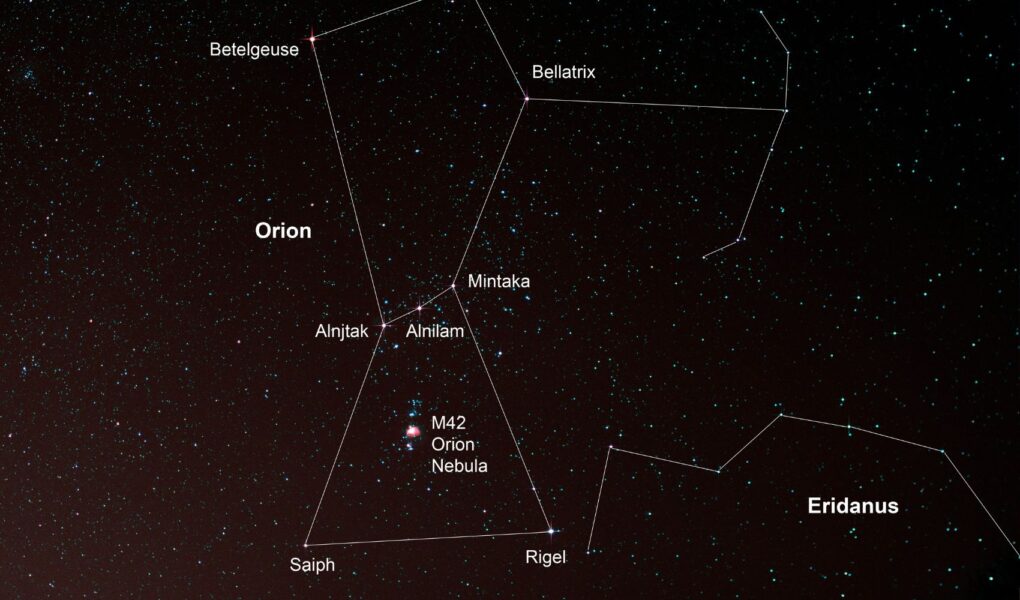
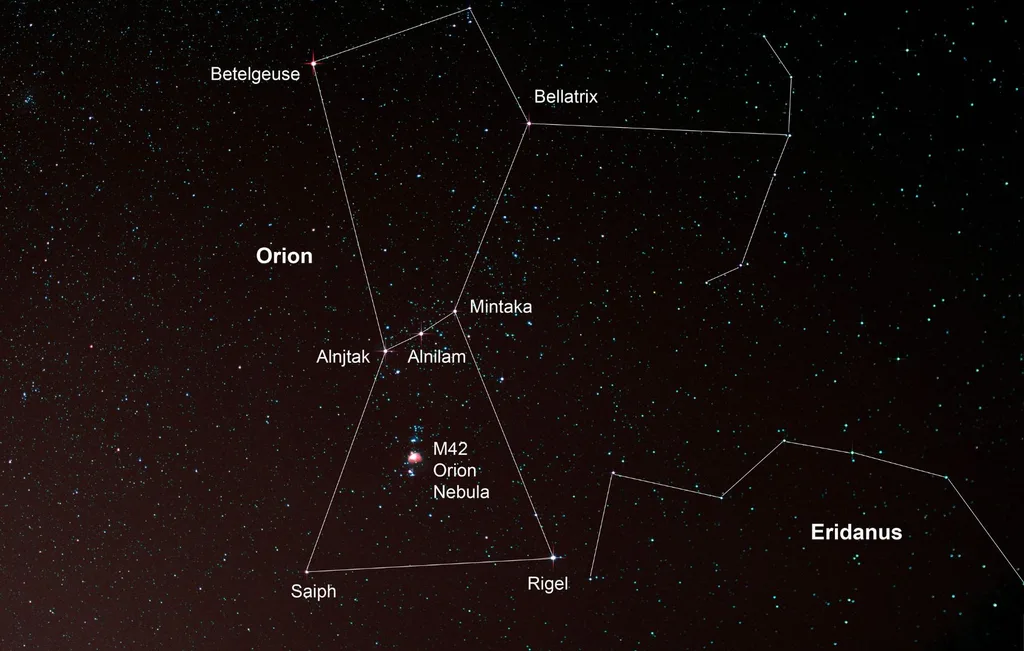
Unlike celestial phenomena like the aurora australis, viewing the Orionids requires zero special equipment. “Using just your eyes is best because you want to take in as much of the sky at once as possible,” Dr Driessen advises. She recommends finding a dark-sky location well away from artificial light sources, giving your eyes 15 to 20 minutes to adjust, and looking toward the constellation Orion. Because meteors radiate from a single point in the sky, they will appear to emerge from just below Orion’s belt.
Are The Orionid And Taurid Showers Overlapping?
Skywatchers will experience a double feature right now, with the Taurid meteor shower active concurrently.
“Technically, yes,” says Dr. Driessen. “The radiant points of the Taurids (in the Taurus constellation) and the Orionids will be up at the same time, though they aren’t the most prolific shooting stars in the night sky. The Taurids only produce an extra five shooting stars per hour on average.”
Looking Ahead: The Geminids Are Still to Come
If your 3:30 AM alarm fails you, there is no need to panic. The Geminids remain the most impressive meteor shower of the southern hemisphere calendar.
“We hear about the Perseids every year as a standout in the northern hemisphere,” notes Dr. Driessen. “In the southern hemisphere, they pale in comparison to the Geminids, which peak on December 14th and 15th.” Even better for local stargazers, this year’s peak will coincide with moonset, setting the stage for an exceptional display.
What Are Meteor Showers?
The Orionids are one of two annual meteor showers generated by Halley’s comet. Meteor showers occur when comets—and occasionally asteroids—cross Earth’s orbit, leaving trails of dust and ice in their wake. As Earth rotates along its path, our atmosphere sweeps through these debris fields, causing small particles to burn up and produce the streaks of light we know as shooting stars.
The post The Orionid Meteor Shower Peaks Tonight In Australia – Here’s How You Can See It appeared first on ELLE.


