Views: 89
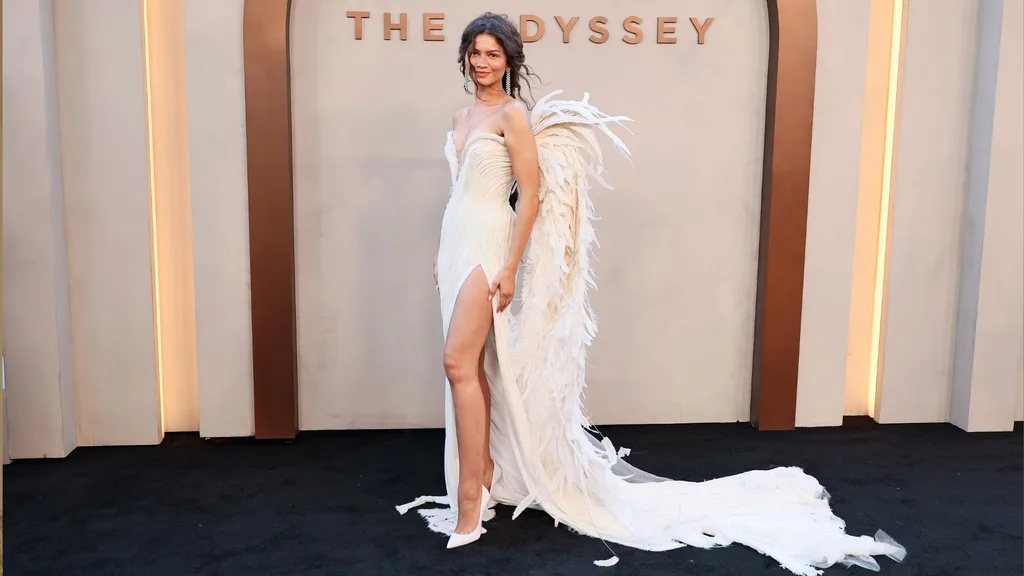
Demand for dramatic storytelling in fashion has reached fever pitch. And, whether it’s Zendaya transforming into a feathered Athena on The Odyssey red carpet or model Gabbriette Bechtel staging her own gothic “Cinderella moment” at her wedding to 1975 frontman Matty Healy, celebrities are switching from traditional brands to looks laden with subtext on the red carpet and down the aisle.
And, Matières Fécales (French for “Fecal Matter”) has now orchestrated two of the month’s biggest mainstream fashion moments.
Founded over a decade ago in Montreal by duo Hannah Rose Dalton and Steven Raj Bhaskaran before relocating to Paris, the underground label built its reputation on provocation: post-human, alien aesthetics, horned headpieces, extreme and sometimes grotesque body-modification filled runways, and irony-laden conceptual shows inspired by the Epstein files. It’s not the stuff of traditional bridal or red-carpet fashion, which classically leans conservative. But now the fringe dwellers have moved decisively into the mainstream, even landing a coveted feature in Vogue‘s bridal section where gowns from labels like Carolina Herrera and Vera Wang are more typically featured. In Australia alone, search for the brand is up 5,000% year-on-year.
So, why the sudden appeal?
A hint could be found in a recent New York Times essay by Amy Odell — former fashion editor, biographer of Anna Wintour and Gwyneth Paltrow, and founder of Back Row. Writing about the transition from creative director-driven brands of the 80s through to the 2000s to the algorithm- and board-driven clothing entities of the 2020s, Odell wrote about the sad deterioration of fashion into algorithmically driven “slop.”
“The rise of the algorithm-designer and the fall of independent brands represent the latest stage of the financialisation of fashion,” writes Odell. “[T]he elevation of corporations over designers has been the industry’s overarching trend over the past 40 years, and it has gradually killed creative design at all price points.”
For decades fashion was dominated by often divisive creative geniuses: Karl Lagerfeld, John Galliano, Alexander McQueen, Vivienne Westwood, and Saint Laurent. While we are seeing a resurgence of the creative director as known entities like Jonathan Anderson at Dior and Matthieu Blazy at Chanel, we’re a long way from the headline-generating celebrity designers with exacting visions of decades past. And it seems like we miss their fantasy worlds.
“Decades ago, the world of fashion was smaller and feistier, dominated by eccentric, visionary designers trying to express themselves,” Odell noted. “Sure, they wanted to make money, but many were also trying to change the world by changing how people dressed. The idea was to create something all new and excitingly now.”
“While the brand does style up in an extreme way, what makes it work outside the world they create is the incredible cuts for the female form, which make the wearer feel good but also bring an element of drama and interest.
ELLE Australia Fashion Editor and Stylist Sophia Stamellos
Runways came with ideologies about how people should not only dress but be in the world, and the notion that clothes could exercise an influence on this. This is something consumers still want. Platforms like The RealReal, Vestiaire, Depop, and Etsy are only growing in popularity as fashion lovers scour them for unique finds, and digging through the archives has become a way for celebrities to signal taste — Law Roach opted for archival again and again on Zendaya’s red carpet tour, and research by MMR Statistics valued Australia’s resale sector at $34.61 billion in 2025.
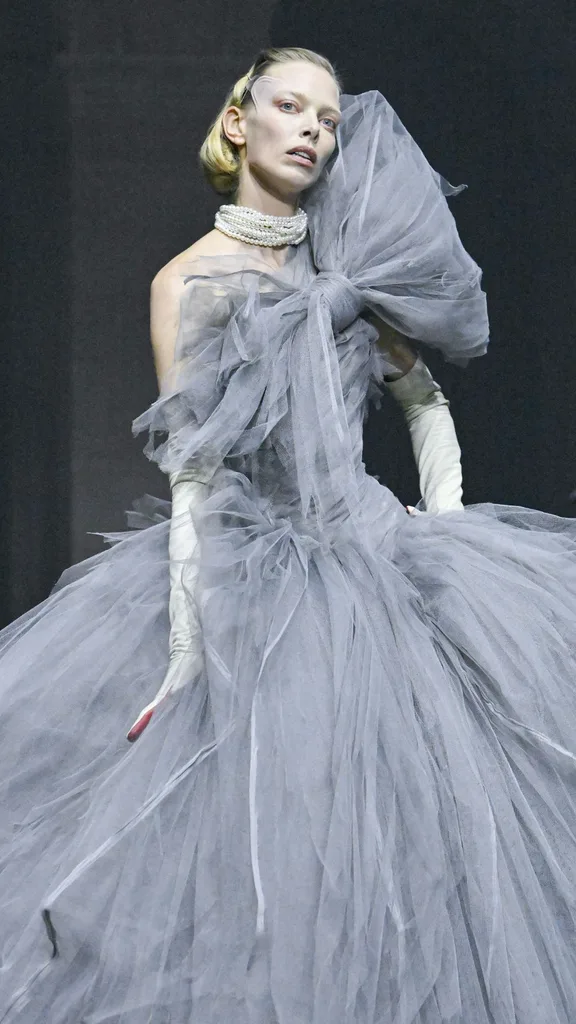
“In a time where quiet luxury thrives, people are beginning to seek more fantasy in their dressing,” explains ELLE Fashion Editor and Stylist Sophia Stamellos. “Brands like Matières Fécales are standing out to stylists and celebrities who are looking to communicate thought beyond just wearing clothing.”
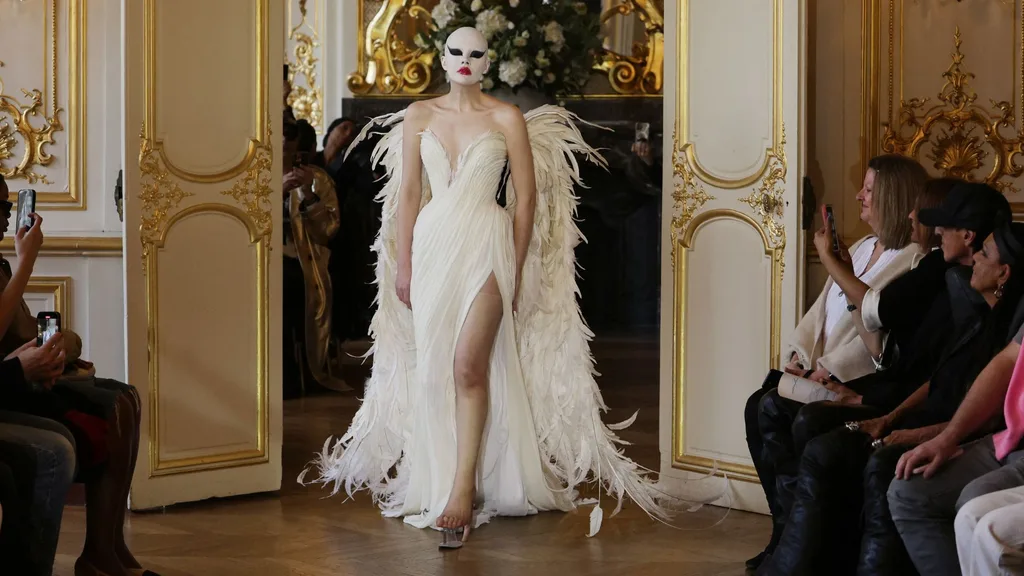
That hunger for narrative was clear when Zendaya swept the carpet in New York for The Odyssey press tour, wearing the dramatic winged “Ange Dress” from the house’s Fall/Winter 2025 collection. Stylist Law Roach had asked the designers to hold specifically for her after it debuted on the Paris runway, placing the brand in good “first look” company alongside Schiaparelli. For stylists working in an era where celebrity press tours need to double as immersive world-building exercises to coach audiences to theatres, the balance of wearable craft and conceptual depth is invaluable. “Zendaya’s look brought the world of The Odyssey to the red carpet, allowing the public to connect the world-building behind both the film and the brand,” says Stamellos.
While the label has previously dressed avant-garde champions like Sarah Paulson (American Horror Story), Amanda Lepore, and Lady Gaga, this dual moment signals a new era for the brand. A custom bridal commission is an unexpected move for designers who historically haven’t aligned themselves with traditional holy matrimony. But Bechtel resonated with their narrative-driven approach.
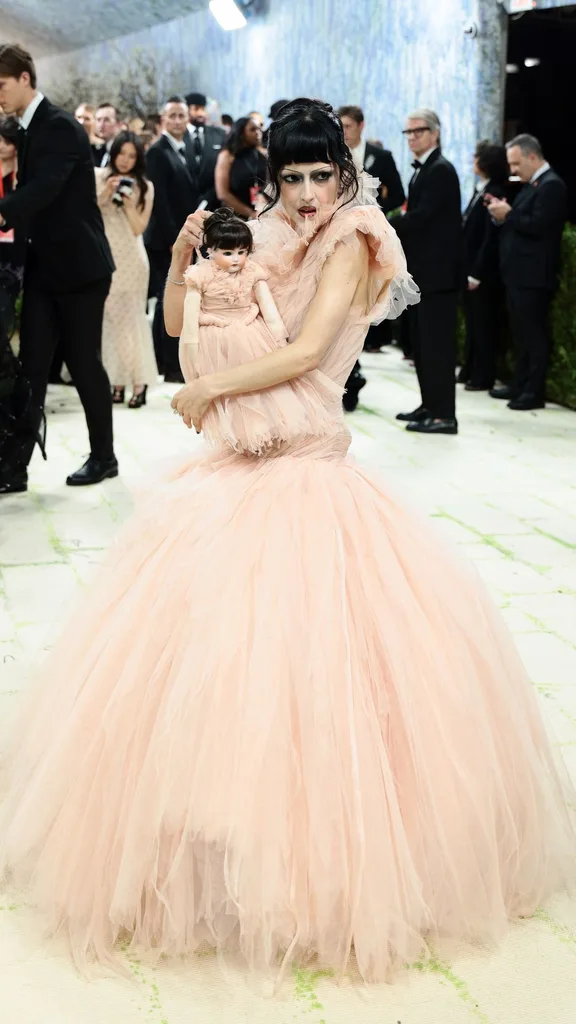
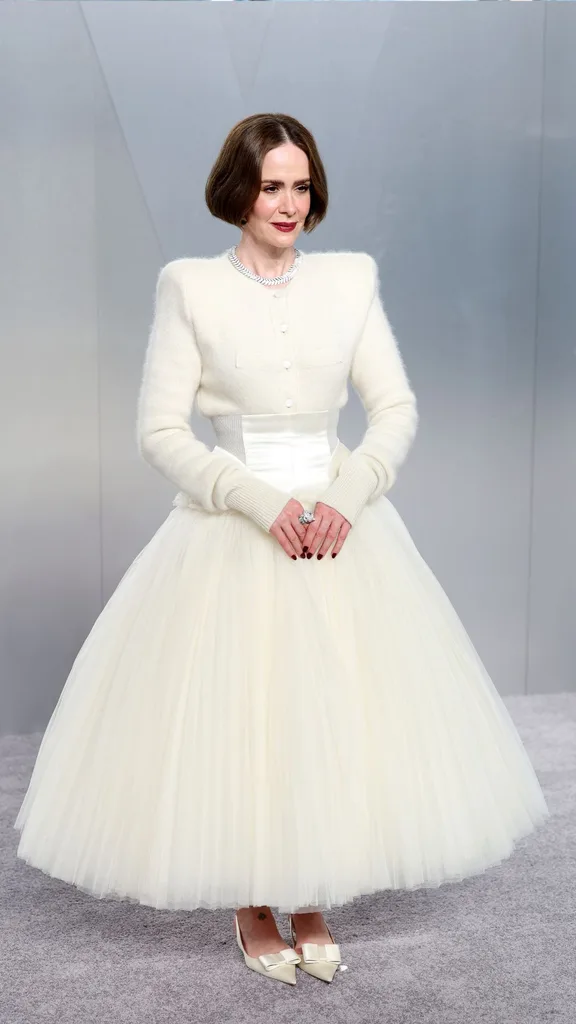
“I’ve always loved designers like Matières Fécales that tell stories through fabric,” Bechtel told Vogue. “Their last show was just a full story, and I just felt like they were a perfect match.” Dalton described the finished dress as “a distorted Cinderella fantasy,” adding, “We share the same vision of beauty, and we articulate fashion in a very human and poetic way.”
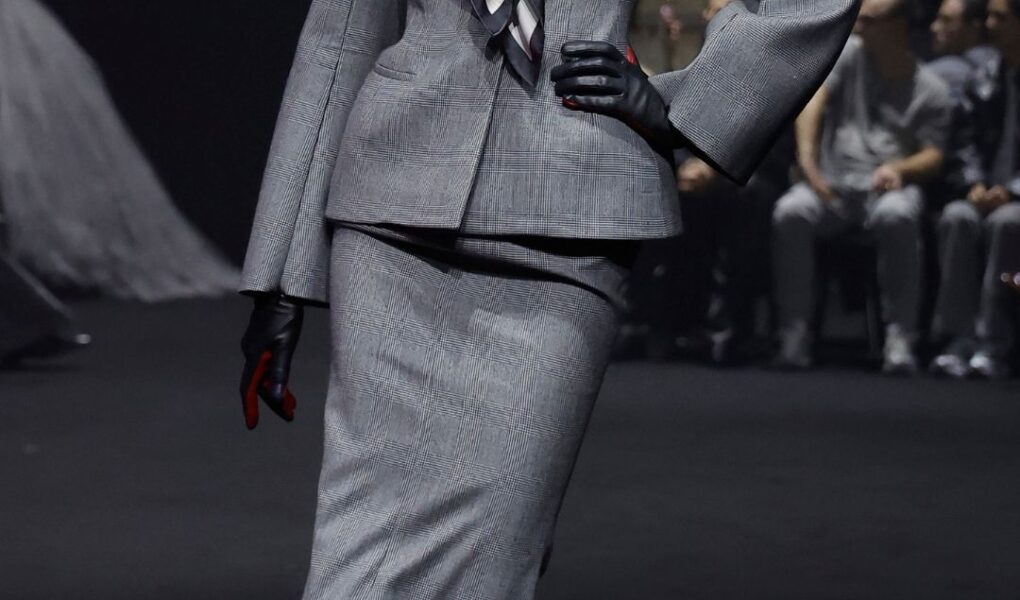
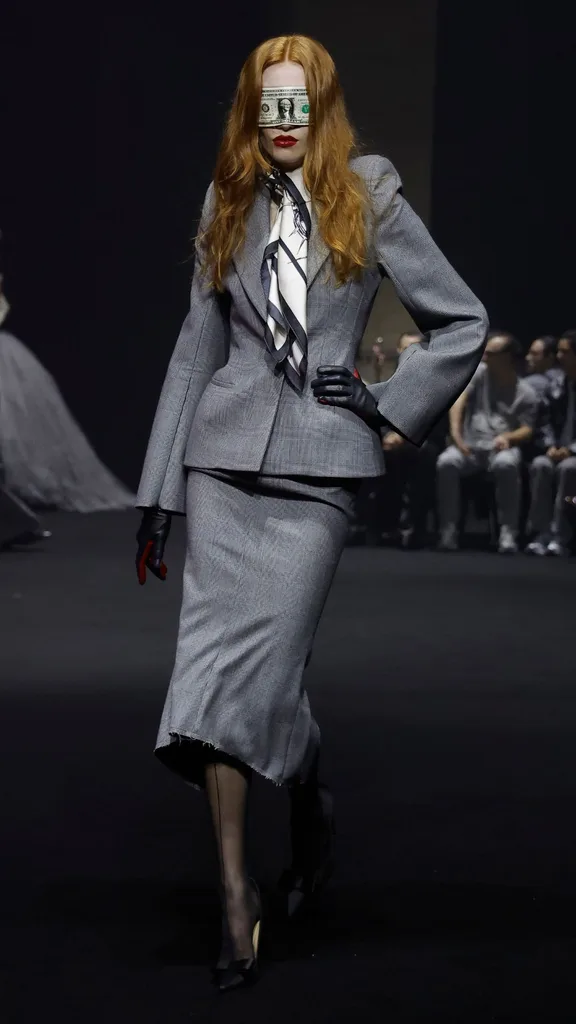
The transition from subversion to blockbuster red carpets and bridal might seem like a jarring U-turn given the brand’s recent runway themes. During Paris Fashion Week in March their “The One Percent” show used Oxfam wealth inequality statistics and the Epstein files as jumping-off points, styling models in dollar-bill eye masks, blood-stained opera gloves, and special-effects makeup mimicking botched plastic surgery. The runway even featured polarising figures like “looksmaxxing” TikToker Clavicular and anti-ageing entrepreneur Bryan Johnson.
Stamellos notes that while their runways are known for shock value, their creations stand on their own as examples of master tailoring. “While the brand does style up in an extreme way, what makes it work outside the world they create is the incredible cuts for the female form, which make the wearer feel good but also bring an element of drama and interest,” she says. “And despite the fantastical side of the brand, when you strip back and look at the garments, they are extremely wearable.”
“The women who’ve worn the brand are willing to take risks, and their approach to dressing is going to cement them as great designers with looks worthy of being in museums.”
Twelve years on the fringes, and in seven days, Matières Fécales dressed a goddess and a bride. Not bad for a brand named after the contents of les cabinets.
The post Why Stars Like Zendaya And Gabbriette Are Opting For Matières Fécales’s ‘Distorted Fantasy’ appeared first on ELLE.